


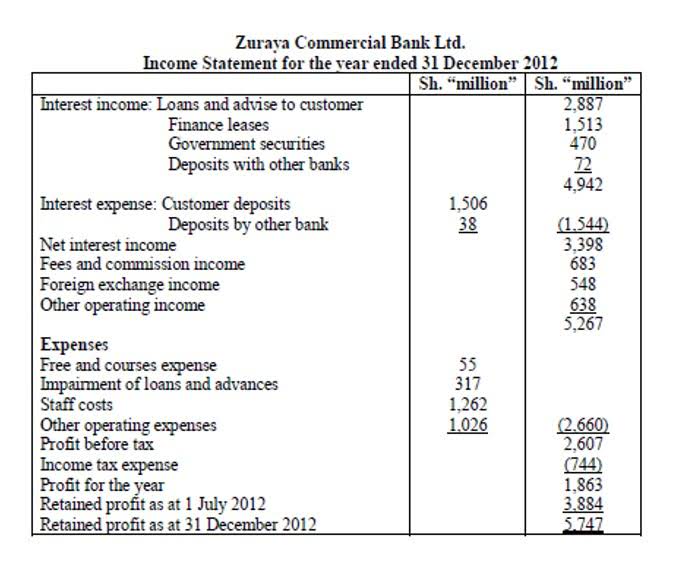
Based on the information, do the calculation of the tax shield enjoyed by the company. Let us consider an example of a company XYZ Ltd, which is in the business of manufacturing synthetic rubber. As per the recent income statement of XYZ Ltd for the financial year ended on March 31, 2018, the following information is available. In conclusion, these covenants are present to ensure that a company dares to meet its financial obligations in time.
Tax Shield: How to Calculate the Tax Shield of Your Capital Investments

Therefore, companies seek to maximize the tax benefits of debt without being at risk of default (i.e. failing to meet interest expense or principal repayment obligations on the date due). Auditors need a good understanding of tax regulations in order to fully assess their impact on company value. The focus here is on the tax shield, which has an impact on the WACC and cash flow and significantly influences the calculation of the beta factors. There are cases where income can be lowered for a certain year due to previously unclaimed tax losses from prior years. Note that interest expenses are tax-deductible, while dividends to equity holders are not tax-deductible. That’s why debt is often a cheaper source of financing a business than raising money from investors.
Importance of Tax Shield in Capital Budgeting
However, it is important to note that the tax benefit of the interest tax shield can vary based on a company’s tax rate, making it more or less advantageous for different companies. A tax shield in capital budgeting is a way for corporations to strategically plan their optimal capital structure and decide which investments to follow. This, in turn, makes debt funding much cheaper since interest expenses on debt are tax-deductible. The benefit of using depreciation with a tax shield is that you can subtract any depreciation expenses from taxable income. The tax shield offers companies a considerable advantage through the tax deductibility of income statement interest on Debt.
Understanding Capital Budgeting Projects
- Always ensure your deductions are well-documented and in compliance with tax laws.
- The concept of a tax shield is a fundamental mechanic in corporate finance and personal tax planning.
- Assuming a tax rate of 30%, the tax liability without considering the tax shield would be $300,000.
- From a corporate finance perspective, the tax shield is an essential factor in capital structure decisions.
- By considering these factors, managers can make informed decisions regarding capital investments and maximize the tax shield benefits.
- All of these sources provide the deductible amount necessary to execute the tax shield formula.
Tax shield for an individual is beneficial when you want to buy a home, using a mortgage or a loan. This is because the mortgages interest expenses are tax-deductible, making it cheap to pay since it reduces tax liability. Interest loan for students is also another tax shield for an individual, which is also tax-deductible making it cheaper. The concept of depreciation tax shield deals with the process in which there is a reduction in the tax amount to be paid on the income earned from the business due to depreciation. In the process, the amount of depreciation is used to reduce the income on which tax will be charged, thus bringing down the amount of tax payment.
Relevance and Use of Tax Shield Formula

This provides an economic incentive for businesses to incur certain types of expenses. Also, at higher tax rates, Depreciation is going to provide additional savings. This WACC can be used to evaluate the company’s potential investment projects and strategic decisions. A tax rate of 30% is applicable to both income and gains and is not expected to change in 5 years.
A step-by-step guide on how to apply the FTE method with an example
Over the ten-year period, the cumulative tax savings would amount to $15,000 ($1,500 annual tax savings multiplied by ten years). This means the business would have saved $15,000 in taxes due to the depreciation tax shield. The concept of a tax shield is integral to the understanding of corporate finance, particularly when it comes to evaluating a company’s cost of capital. Essentially, a tax shield refers to the reduction in income taxes that a firm can achieve https://mallorcafullproperties.com/a-better-approach-to-budgeting-for-a-hybrid/ through the use of various deductions, such as interest expenses.
- The term “Tax Shield” refers to the deduction allowed on the taxable income that eventually results in the reduction of taxes owed to the government.
- In Example 1, we see that a company with $1 million in interest expense can save $210k in taxes, assuming a 21% corporate tax rate.
- In this blog, we have discussed the concept of tax shield, how it affects the value of a project, and how to estimate it using different methods.
- For example, if an individual has $2000 as mortgage interest with a tax rate of 10%, then the tax shield approach will be worth $ 200.
- The concept of a tax shield plays a pivotal role in financial analysis, particularly when assessing the cost of capital through the Weighted average Cost of Capital (WACC).
- For example, if a company has an annual depreciation of $2,000 and the rate of tax is set at 10%, the tax savings for the period is $200.
It is a powerful tool in the hands of financial analysts and corporate decision-makers, enabling them to make more informed decisions about the company’s financial strategy and investments. The interplay between tax shields and WACC is a nuanced area that requires careful consideration from multiple angles. In summary, tax shields are powerful tools for enhancing project profitability, but their effectiveness depends on various factors.
Capital Structure Optimization
In this case, the tax shield would amount to $25,000, meaning the business would save $25,000 in taxes due to the deductions or credits it has utilized. A tax shield is important because it can save a company significant amounts of money. This financial benefit can free up cash that could then be reinvested in the business to further its growth and expansion.
Depreciation Tax Shield
For example, if a company has an interest expense of $1 million and a tax rate of 21%, the interest tax shield would be $210,000. The value of these shields depends on the effective tax rate for the corporation or individual. Properly using tax shields as allowed by law should not increase your chances of an audit. However, aggressive tax planning or incorrectly claiming deductions can raise red flags. Always ensure your deductions are well-documented and in compliance with tax laws. Non-deductible expenses include fines, lobbying expenses, political contributions, and any costs not directly related tax shield formula to business operations.
Tools such as the SmartZebra cost of capital module and the beta factors module can help to calculate the WACC and the impact of the tax shield professionally and efficiently. As shown above, in addition to the disadvantage of increasing risk for equity providers, additional Debt brings the advantage of an additional tax shield. In the leverage effect, the interest does not actually increase the risk in full, but only to a reduced extent. This means that the company achieves an annual tax saving of EUR 60,000 by using Debt instead of Equity. The value of the tax shield corresponds to the present value of all future tax savings. Running a business costs money; fortunately, you can deduct the costs from your taxes.